
- Yesterday
Strength Training for Mountain Bike Stage Races
- MTB Durability Lab
- 0 comments
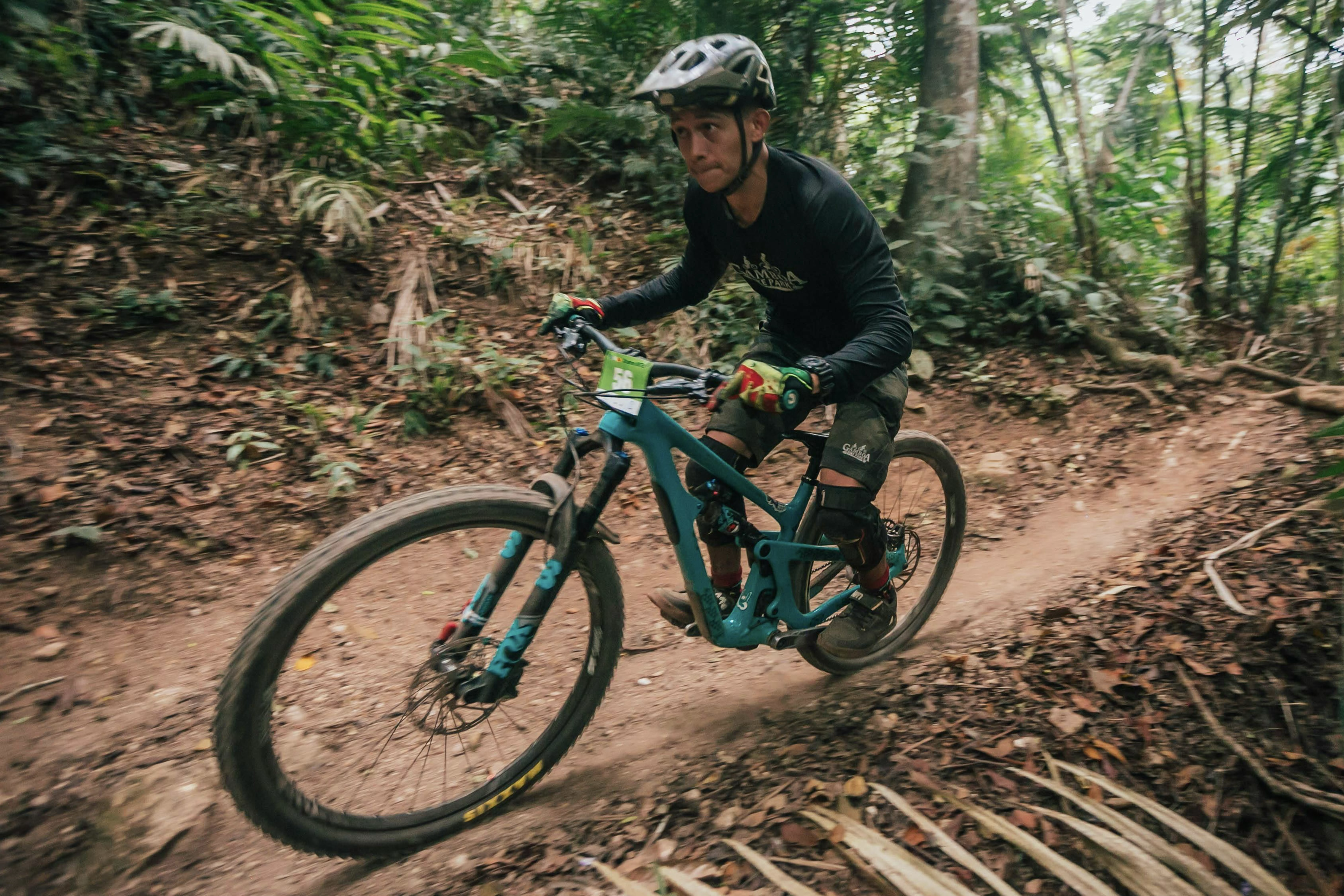
Ride Longer. Feel Stronger. Stay Injury-Free.
Stage races are a unique challenge. They’re not just about fitness—they’re about durability. You’re asking your body to perform for hours on end, day after day, across varied terrain, technical sections, and accumulated fatigue.
Endurance will get you across the finish line, but strength training is what makes the experience enjoyable.
If you want to ride strong and enjoy every day you need to build strength that supports long-distance performance.

Why Strength Training Matters for Stage Racing
Most riders default to “ride more” when preparing for a big event. And yes—volume matters. Without strength training though, more miles often just means more wear and tear.
Targeted strength is what helps you:
Maintain efficient pedal mechanics deep into long rides
Improve power output while decreasing fatigue
Handle technical terrain with precision and control
Reduce the risk of overuse injuries and crashes
Stay stable and confident as fatigue accumulates over multiple days
Riding builds your endurance, strength training is what prevents you from breaking down.
The Key Areas for MTB Strength
When preparing for a multi-day event you can simplify your training by splitting it up into three main categories. These categories are single-leg strength, balance & stability, and power & agility.
1. Single-Leg Strength (Your Foundation)
Mountain biking is fundamentally a single-leg sport. Each pedal stroke is unilateral and you’re constantly shifting weight from one side to the other to maintain traction and handle the bike through technical terrain. Any imbalance in strength becomes more pronounced as fatigue sets in.
Benefits of Single-Leg Strength Include:
Improved pedaling symmetry and efficiency
Reduced lateral movement and energy leaks
Less soreness in your low back, hips, and knees
Key Exercises:
Lunges [Video]
Step-ups [Video]
Single Leg RDLs [Video]
2. Balance & Stability (Control Under Fatigue)
As the race goes on, your nervous system gets fatigued—not just your muscles. That’s when line choice suffers, mistakes happen, and crashes become more likely.
Benefits of Balance & Stability Include:
Better bike handling in technical terrain
Improved joint stability in your hips, knees, and shoulders
Increased confidence when trails get rough
Key Exercises:
Toe Taps [Video]
Plank Rows [Video]
Half Kneeling Core Press [Video]
3. Power & Agility (For Technical Sections)
Even in long races, you need short bursts of power—to clear obstacles, punch up climbs, or accelerate out of corners.
Benefits of Power & Agility Include:
Maintained responsiveness late in rides
Improved climbing efforts and trail flow
Enhanced overall riding “feel”
Key Exercises:
Counter Movement Jumps [Video]
Kettlebell Swings [Video]
-
Plyo Push-ups [Video]
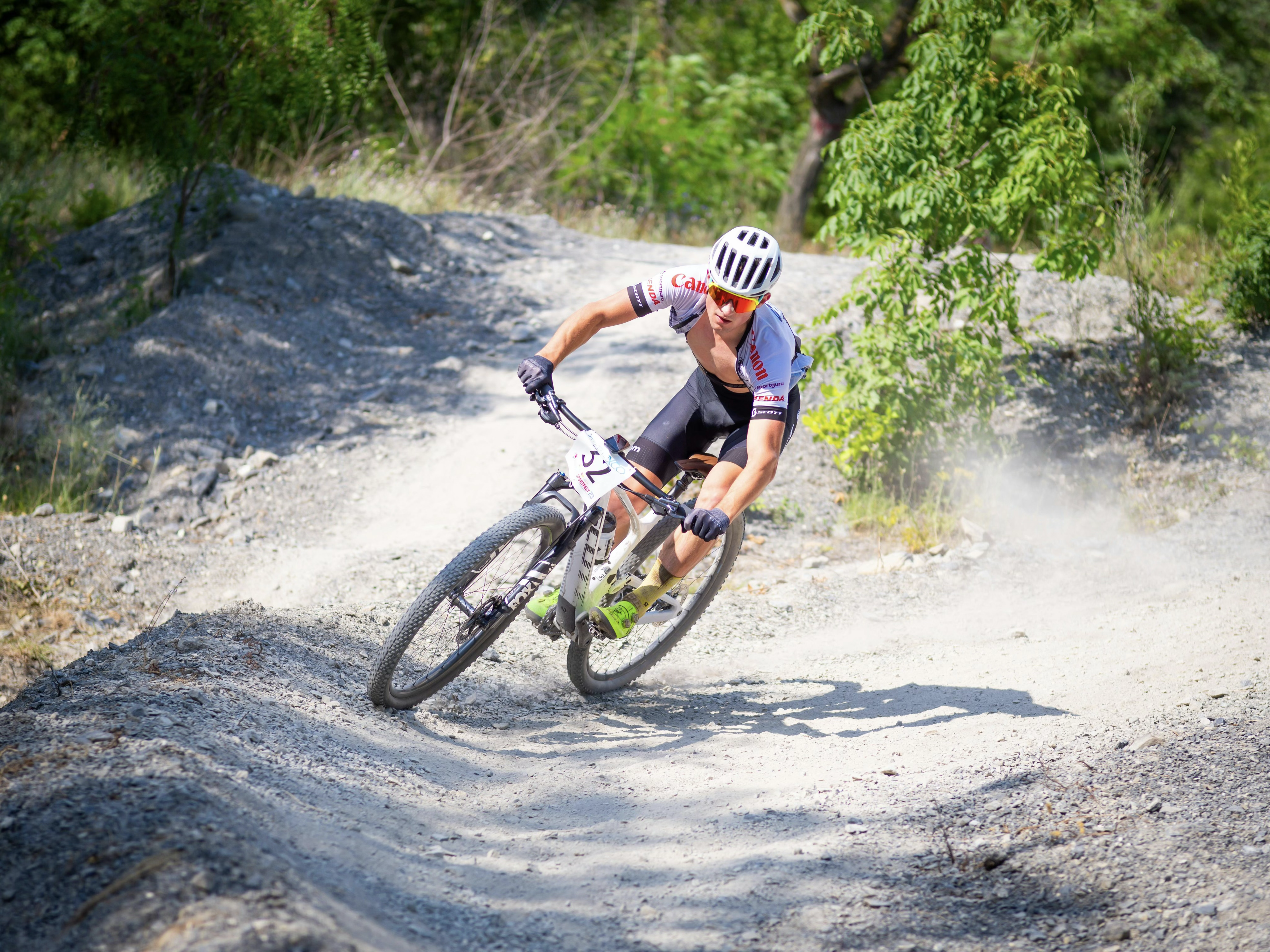
How Strength Training Supports Long-Distance Riding
Strength training isn’t just about getting stronger—it’s about making endurance riding easier.
When your muscles are stronger:
Each pedal stroke uses a lower percentage of your max effort
You fatigue slower over time
You maintain better posture and control
You recover faster between stages
That’s the difference between surviving the final day and actually enjoying it.
Here’s a Weekly Training Template to Get you Going!
The goal of training is to protect your ability to ride first. These exercises are designed to enhance your riding experience not compete with it.
Aim for 2–3 Strength Sessions per Week and at least 1 Rest / Active Recovery Day
Example Strength Sessions Include:
Session 1 – Single-Leg Strength
Lunges – 3 sets x 8-12 reps
Single Leg RDLs – 3 sets x 8-12 reps
Step-ups – 3 sets x 8-12 reps
Session 2 – Balance & Stability
Toe Taps – 3 sets x 5 touches in each direction on each leg
Plank Rows – 3 sets x 10 reps alternating (5 reps with each arm)
Half Kneeling Core Press – 3 sets x 10 reps in each direction
Session 3 – Power & Agility
Counter Movement Jumps – 3 sets x 8-12 reps
Kettlebell Swings – 3 sets x 15-20 reps
Plyo Push-ups – 3 sets x 8-12 reps
Rest / Active Recovery
Prioritize hydration and refueling
Go for an easy hike, walk, or ride
Stretch, massage, and mobilize muscles that are tight
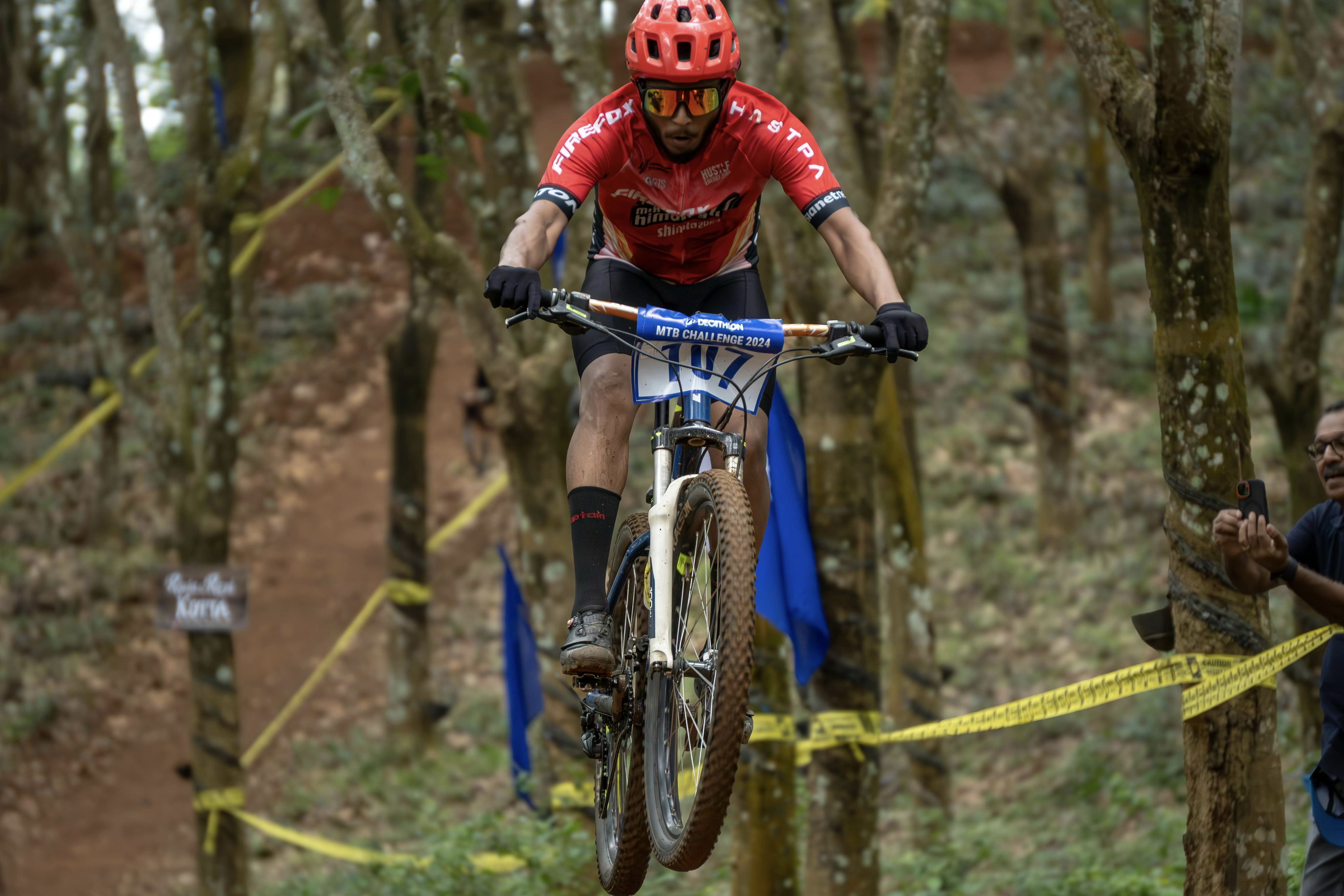
Tapering Strength Training Before the Race (Final 7 Days)
As you get closer to the day of the race you want to make sure your body is ready for repeat efforts.
The Goal of the Taper Week:
Maintain sharpness
Reduce fatigue
Arrive to the event feeling strong, not sore
How to Adjust your Training:
Strength Training:
Reduce volume by ~50–70%
Keep movements, but lower sets and intensity
No heavy lifting in the final 3–4 days
Riding:
Keep some short efforts (to stay sharp)
Reduce total volume
Prioritize recovery, sleep, and nutrition
Example Final Week:
7–5 days out: Light strength + moderate rides
4–3 days out: Short rides, no heavy strength
2 days out: Easy spin with a few short efforts
1 day out: Very light ride or full rest
The goal is to feel ready on the day of the event—not exhausted.
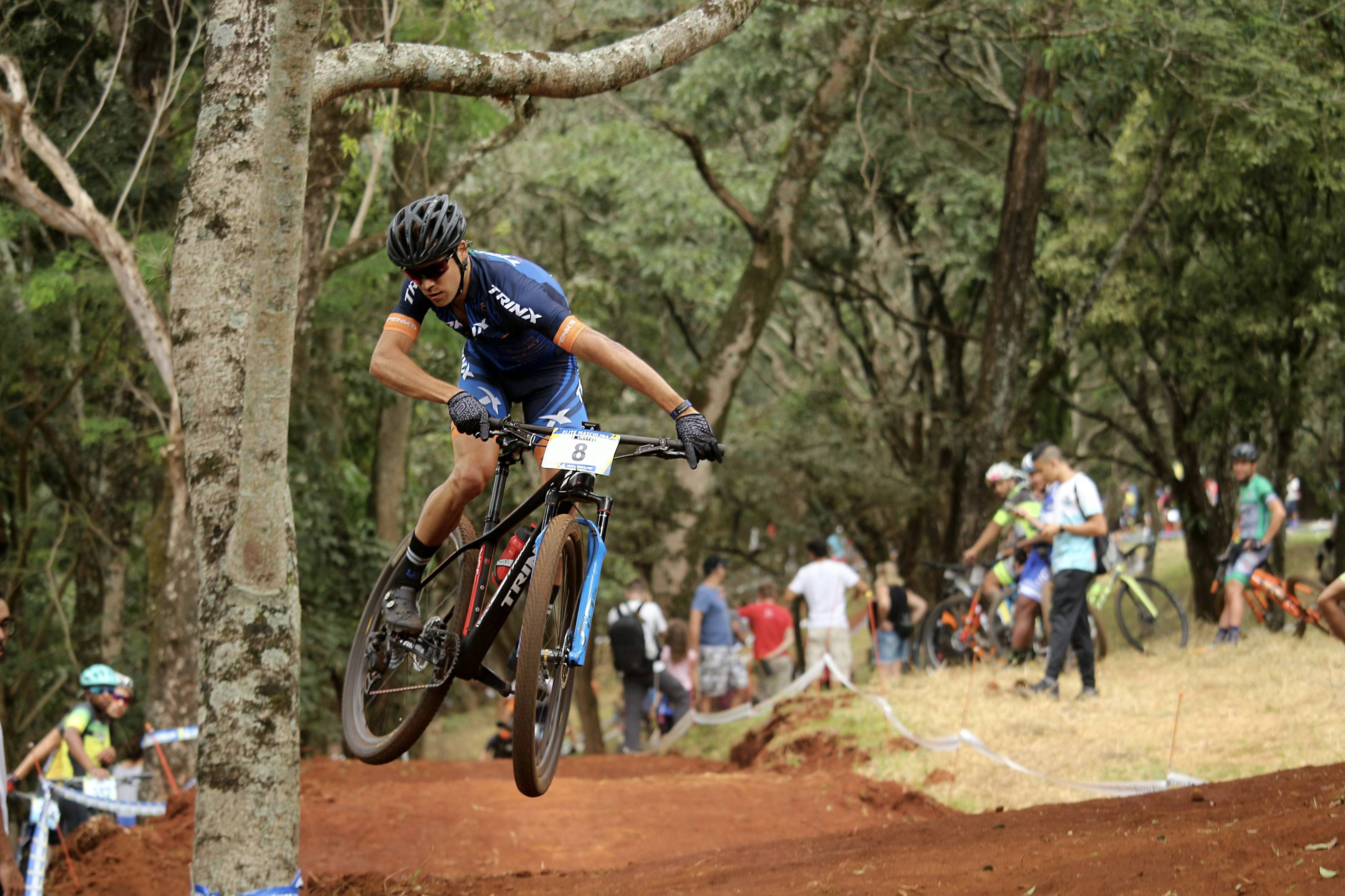
Final Takeaway
If endurance determines whether you finish the race,
strength determines how you experience it.
Strength keeps your body aligned and efficient
Stability keeps you in control when fatigue hits
Power keeps riding fun—even late in the day
Train your body to handle the load—not just survive it.
Because the goal isn’t just to get through a stage race.
It’s to ride strong, stay healthy, and actually enjoy every mile.
Want to see where your fitness is currently? Start with the FREE Durability Assessment. It takes 5-minutes to complete and provides you with feedback on how well your body is supporting your riding.
About the Author:

Alex Russell, CSCS
Alex is a performance coach with a Doctorate in Physical Therapy. He provides strength and mobility training through MTB Durability Lab to help mountain bikers improve their trail performance and long term durability on the bike.